

October 12, 2026
How to Help Your Child Navigate Middle School Friendships
Middle school can be a challenging time for children as they navigate friendships and changing social dynamics. Friendships evolve, friend groups shift, and children are often faced with new social situations that can be difficult to understand.
Common challenges include not having classes with friends, watching friends develop new relationships, joining different sports or activities, and managing increasing academic demands. These changes can bring feelings of insecurity, uncertainty, and self-doubt, particularly when children are trying to find their place within new social groups.
Jealousy can also emerge when a close friend begins spending time with others, leaving a child wondering whether that friendship is still as important as it once was.
How can parents help their children navigate these changing friendships while learning to understand different perspectives?
As Social Learning coaches, we work with children and parents to explore the many layers of friendship. We help children recognize that friendships do not have to be exclusive and that developing multiple friend groups and maintaining several close friendships can be a positive and rewarding experience.
If your child expresses doubt or uncertainty about a friendship, here are a few strategies to help them respond thoughtfully and confidently:
1. Encourage Your Child to Pause Before Responding
Encourage your child to take 30 seconds to think before responding to a text from a friend who says they cannot hang out. Ask them to consider why their friend might be unavailable rather than immediately assuming something is wrong.
2. Help Your Child Think About the Impact of Their Words
Before sending a text, encourage your child to ask themselves, “Will this message strengthen my friendship? Will it help my friend feel comfortable and respected?”
3. Explore Different Perspectives Together
Brainstorm a few reasons why a friend might not be available. Help your child understand that spending time with other friends does not necessarily mean their friendship is changing or becoming less important.
4. Practice Communication and Tone
Encourage your child to read their text aloud or practice what they plan to say in person. Discuss how their words and tone might be interpreted by someone else. Help them recognize that messages sent out of frustration or disappointment can unintentionally hurt feelings and strain friendships.
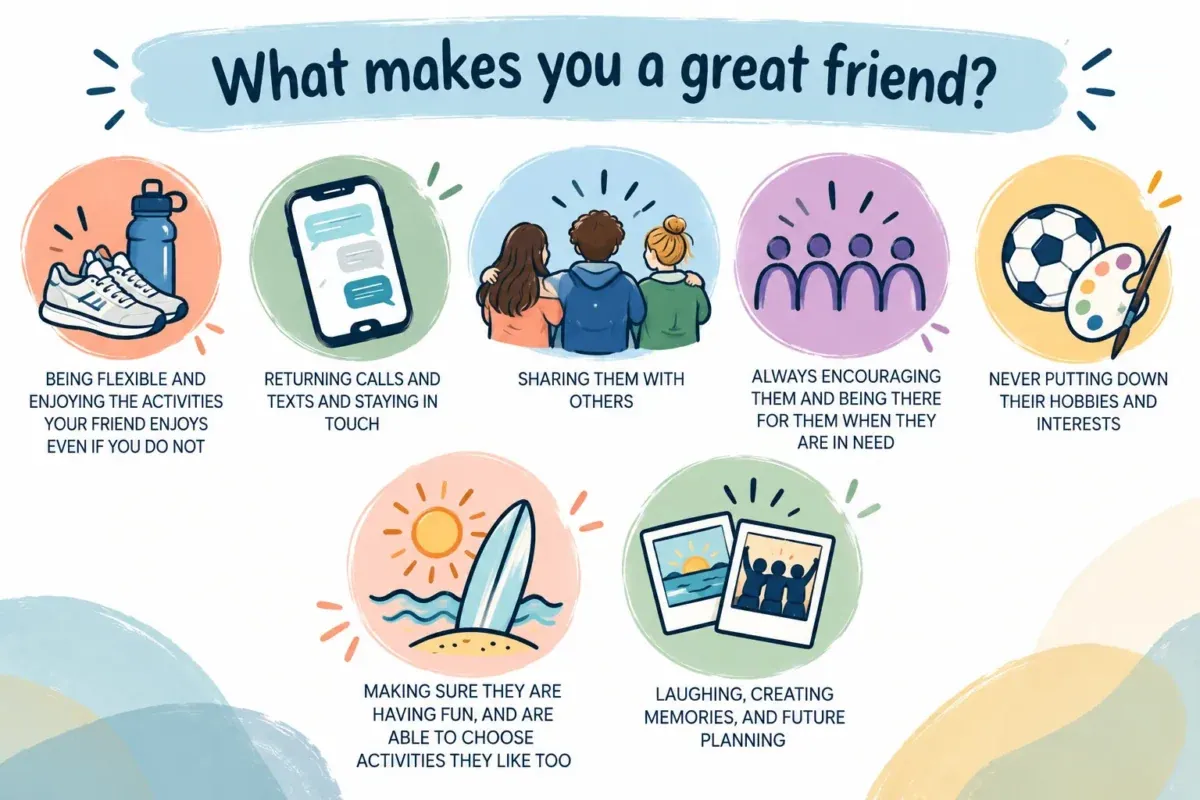
Helping Friendships Grow
Middle school friendships provide valuable opportunities for children to learn about themselves and others. While changing friendships can be difficult, these experiences also help children develop perspective-taking, communication skills, flexibility, and confidence in navigating social relationships.
As parents, we can support our children by listening to their concerns, helping them consider different perspectives, and encouraging them to communicate thoughtfully. Rather than trying to solve every friendship challenge, we can guide them toward understanding social situations and making their own decisions.
By keeping conversations open and offering support without judgment, we help our children build the skills needed to develop and maintain meaningful friendships, not just in middle school, but throughout their lives.
Social Learning Coach, Frankenberger Associates